
It’s the New Year, which means everyone’s talking about “cleansing” and “detoxing” after a bit of holiday binging. But the truth is, your body detoxes just fine on its own: Your liver, lungs, kidneys, skin, and digestive track are programmed by Mother Nature to keep your body clean 24/7.
But you can give your body’s natural detoxing powers a boost with these nine easy tips.
1. Stay hydrated with water. Water is part of every metabolic process in the body, and adequate water intake also helps keep the balance of body salts normal. Natural thirst should always be addressed. And remember that fruits and vegetables are almost all water, so 5-7 servings can boost your natural water intake. And the best way to tell if your water intake is adequate is to check the color of your urine. Pale yellow is the goal. If it’s any darker than that, drink a glass of water or two.

2. Limit caffeine – but there’s no need to eliminate it. Caffeine can be a boost for mental focus and energy, if limited to less than 300 milligrams per day. A large mug of coffee has about 150 milligrams of caffeine, so that’s about two servings a day. A mug of tea is around 50 milligrams, so that’s about six servings. When it comes to caffeine, the less often it is consumed, the more of a positive biological effect you can expect.
3. Extra credit: Avoid alcohol -- even red wine. (it.
4. Skip sugar – and low-calorie sweeteners. You want to ground zero your sweet taste buds with more limited intake of sweet of all kinds. Cut out sugary drinks, snacks, and treats, and you’ll be surprised how fruit will satisfy your sweet tooth. And taking a break from all low-calorie sweeteners helps you learn to tamp down your perception of sweetness.
5. Eliminate processed and prepared foods. As a general rule, don’t consume things that come in cans, boxes, bags or jars. Bonus points: Don’t eat in restaurants, either. Many restaurant foods may look healthy, but the food may have been prepared in unhealthy oils, or they may be drenched in a creamy sauce. Cutting out processed foods is the quickest and easiest way to limit excess (and often hidden) sugars, fats, and calories.
6. Break a sweat. Skin is the body’s largest organ, and sweating helps you eliminate excess body salts and other metabolites of body processes. Breaking a sweat every day is a good way to support your body’s healthy elimination of metabolic breakdown products.
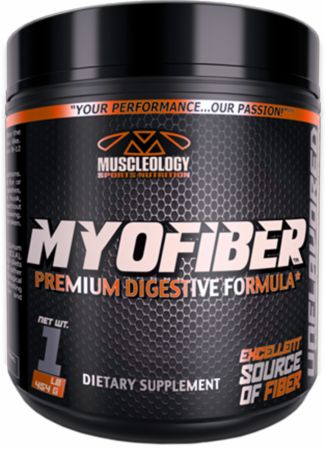
7. Eat fiber. There are so many myths associated with “cleansing” the digestive tract, but your digestive tract actually wants to be stimulated, especially with fiber. Think of this as exercise for your gut. Fiber revs up your digestive tract -- it’s like nature’s Roto-Rooter. But stick to fiber that’s found in nature -- fruits, veggies and whole grains -- and skip the bulked-up processed products that claim to contain 50 percent of your daily fiber needs or more in ONE serving. Stick with nature’s fiber content, which is about 3-4 grams a serving, about 15-20 percent percent of your daily requirement.
8. Get some sleep. Aim for seven to nine hours every night. Adequate sleep supports and maintains a healthy brain. Recent studies continue to support the connection between amount of sleep and cognitive function.

9. Change your response to stress. While eliminating stress is not realistic, changing how your respond to daily stressors goes a long way to boosting a healthy body.Also, stop by 4x Nutrition Center adn speak with one of our certified nutrition specialist about other way to detox and get your body ready for the new year!
Til next time,
Mikie

