Showing posts with label cardio. Show all posts

Wednesday, January 22, 2014

9 ways to detox naturally in the New Year

 President at MyBestHealthPortal.net Top Contributorgive us a run down of the best way to detox for the new year that's safe and effective check it out.
It’s the New Year, which means everyone’s talking about “cleansing” and “detoxing” after a bit of holiday binging. But the truth is, your body detoxes just fine on its own: Your liver, lungs, kidneys, skin, and digestive track are programmed by Mother Nature to keep your body clean 24/7.
But you can give your body’s natural detoxing powers a boost with these nine easy tips. 

1. Stay hydrated with water. Water is part of every metabolic process in the body, and adequate water intake also helps keep the balance of body salts normal. Natural thirst should always be addressed. And remember that fruits and vegetables are almost all water, so 5-7 servings can boost your natural water intake. And the best way to tell if your water intake is adequate is to check the color of your urine. Pale yellow is the goal. If it’s any darker than that, drink a glass of water or two.

2. Limit caffeine – but there’s no need to eliminate it. Caffeine can be a boost for mental focus and energy, if limited to less than 300 milligrams per day. A large mug of coffee has about 150 milligrams of caffeine, so that’s about two servings a day. A mug of tea is around 50 milligrams, so that’s about six servings. When it comes to caffeine, the less often it is consumed, the more of a positive biological effect you can expect. 

3. Extra credit: Avoid alcohol -- even red wine. (it.

4. Skip sugar – and low-calorie sweeteners. You want to ground zero your sweet taste buds with more limited intake of sweet of all kinds. Cut out sugary drinks, snacks, and treats, and you’ll be surprised how fruit will satisfy your sweet tooth. And taking a break from all low-calorie sweeteners helps you learn to tamp down your perception of sweetness.

5. Eliminate processed and prepared foods. As a general rule, don’t consume things that come in cans, boxes, bags or jars. Bonus points: Don’t eat in restaurants, either. Many restaurant foods may look healthy, but the food may have been prepared in unhealthy oils, or they may be drenched in a creamy sauce. Cutting out processed foods is the quickest and easiest way to limit excess (and often hidden) sugars, fats, and calories. 

6. Break a sweat. Skin is the body’s largest organ, and sweating helps you eliminate excess body salts and other metabolites of body processes. Breaking a sweat every day is a good way to support your body’s healthy elimination of metabolic breakdown products.
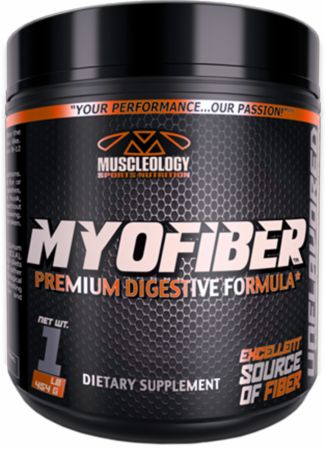
7. Eat fiber. There are so many myths associated with “cleansing” the digestive tract, but your digestive tract actually wants to be stimulated, especially with fiber. Think of this as exercise for your gut. Fiber revs up your digestive tract -- it’s like nature’s Roto-Rooter. But stick to fiber that’s found in nature -- fruits, veggies and whole grains -- and skip the bulked-up processed products that claim to contain 50 percent of your daily fiber needs or more in ONE serving. Stick with nature’s fiber content, which is about 3-4 grams a serving, about 15-20 percent percent of your daily requirement.

8. Get some sleep. Aim for seven to nine hours every night. Adequate sleep supports and maintains a healthy brain. Recent studies continue to support the connection between amount of sleep and cognitive function.

9. Change your response to stress. While eliminating stress is not realistic, changing how your respond to daily stressors goes a long way to boosting a healthy body.
Also, stop by 4x Nutrition Center adn speak with one of our certified nutrition specialist about other way to detox and get your body ready for the new year!
Til next time,
Mikie 

    Wednesday, February 15, 2012

    When is the best time of day to do cardio-vascular exercise?

    When is the best time of day to do cardio-vascular exercise?

    Whether it’s early morning, mid-day, or evening, the most important thing is just doing it.

    Your heart is a muscle and working it makes it stronger. A stronger cardio-vascular system means more capillaries delivering more oxygen to cells in your muscles. This enables your cells to burn more fat during both exercise and inactivity. Your goal should be to do some type of cardio-vascular/aerobic activity (walking at a moderate pace, running, biking, stair climbing, swimming, rowing, Zumba, etc) three to five times a week for a sustained period of time of at least 20-30 minutes. Vary your choice of cardio activity to stave off boredom.

    Remember, your body’s primary and preferred energy source is Carbohydrates (glycogen). While you are sleeping, your levels of glycogen slowly decline to provide glucose for various bodily functions that go on throughout the night. As a result, you wake up in the morning with depleted glycogen and lower sugar and when your primary fuel source is in short supply, this forces your body to tap into its secondary or reserve energy source; body fat.

    You always burn a combination of carbs and fat for fuel, but depending on when you exercise, you can burn a greater portion of fat relative to carbs. When you do cardio in the morning, you not only burn fat during the session, but you also continue to burn fat at an accelerated rate after the workout. This is sometimes referred to as the “after burn” effect. An intense cardio session can keep your metabolism elevated for hours after you’re done exercising. Burn baby burn!

    If doing cardio first thing in the morning isn’t an option for you, then the next best time to do your cardio would be immediately after weight training. Lifting weights (using dumbbells, kettle bells, etc) is anaerobic (carbohydrate-burning) by nature, and therefore depletes muscles glycogen. That’s why a post lifting cardio session has a similar effect as morning cardio on an empty stomach. You will still burn fat. However, night time cardio can fail to take advantage of the “after burn” effect because your metabolism drops like a ton of bricks as you go to sleep which is when your metabolic rate is slower than any other time of the day.

    Remember that every “body” is different. What works for one may not work for another. It is important to know your body and what it will and won’t respond to when it comes to cardio exercise.

    If you have any questions or would like more info, be sure to contact one of the Certified Sports Nutrition Specialists at 4x Nutrition. Have a great workout!!

    Friday, August 26, 2011

    Post workout - A look at what they are and how they work!

    Bullnox. Cellmass. Cell-Tech. Maxx Recovery. Xtend. NO Synthesize. Size On. Humapro. Jetmass.

    There are literally hundreds of products out there called POST WORKOUTS.

    So what IS a post workout? Do you need one? What is it for?
    Today I'm going to give you a brief explanation about what a post workout is and what's the benefits of taking one.
    So let get to it!
    According to Webster online a post workout is "The period of time immediately following an intense workout when your body is best able to handle carbohydrate. 60-90 minutes long."

    This is the time when your body is in need of precious nutrients to help it recover from the workout you just put it though and depending on the work out and your individual goals should be depleted of mostly protein, aminos and carbohydrates.

    Let's look at the three main things that make a good post workout.
    1.Protein
    2.Amino Acids
    3.Carbohydrates


    Protein is the easiest so lets start there, as Whit explain in our other blog each persons protein needs will be set by their goals. Protein is what your body uses to repair the holes we tear in our muscles during any periods of exercise. Protein synthesis is also a big part in how our body's cells grow and rejuvenate with the help of amino acids.

    Amino acids are the chemical units that make up proteins, as they are famously called the “building blocks” of protein. Specifically to post workout are the aminos L-Glutamine and BCCA's (Branch Chain Amino Acids) which help increase nitrogen retention within muscle cells, speed recovery,support optimal growth hormone levels and reduce muscle breakdown and cortisol levels. All important functions to insure you can not only recovery and repair from the workout you finished but that your muscles are able to go and and repeat the same intensity of exercise again later.

    Now to the big one CARBOHYDRATES!

    Most people look at carbs as the enemy when it comes to post work out and fitness in general. Let me remind you that carbs are the fuel our body's use to function! Just like the high priced gas that goes in your car, with out carbs our bodys will not run at their best performance. Think about a time you didn't have a lot of carbs before work. Did you find it hard to focus? Where you overly tired even after a good nights sleep? Were you a little cranky? All attributed to not enough carbs. A great after workout carb is sugar. Taking in 5-25 grams of sugar will cause a spike in insulin hormone which increases the nutrient absorption.Insulin counteracts cortisol and minimizes protein breakdown,so all the good protein and aminos you have make it to the sites where they are need. So in this case sugar and other fast acting carbohydrates are your friend!

    Now that doesn't mean stop by Dunkin Donuts on the way home, but having a post workout shake like Intek Evolution Post-Workout or even a Gatorade Recover will supply your body with just the right amounts of protein, carbs and aminos to help you bounce back faster.

    Depending on your goals will determine on how much of those three key ingredients you might need. Here are general guideline based on two common goals: Leaning out. Gaining Mass.

    If your looking at leaning out you should shoot for easily digested protein sources such as whey protein, egg whites and fish are definitely important for immediate recovery. The best approach is to consume 30-50 g immediately,with Whey Isolate being the best source and then include slower-digesting protein sources such as chicken, meat, whole eggs or casein powders about an hour or so later.

    For our gainers looking for mass gain, a good goal is to try and make your post-workout meal about 15-25% of your total daily caloric goal (if your diet calls 3,000 calories a day, your post-workout meal would be about 450-750 calories). It should contain a quality carb mixture and a quality protein source.

    Now according to Timinvermont.com, "Post workout nutrition doesn't end with the meal immediately after your workout. Protein synthesis is elevated by 50% postworkout but it can be as high as 110% up to 24 hours postworkout. So keep supplying nutrients to your body in small, frequent and balanced feedings of carbs (40-70 grams), protein (30-50 grams), and water (up to 1L meal meal) every 1.5-3 hours.

    As with all supplementation and food planing feel free to stop in a talk with one of our Certified Sport Nutrition Specialist to make sure your on the right track per your goal.

    As always "Hard work pays off, easy work is worthless!"
    -Mikie