Wednesday, July 10, 2013

And....ZMA dose what again???

ZMA EXPLAINED

If you've ever attempted to be healthy or if your and avid heath enthusiast you've probably heard of ZMA a time or two. Today I'm going to walk you through what exactly is this mystery ingredient and what the benefits of ZMA are. 

Zinc is most known for fighting infection. It is linked with a heightened immune system. Zinc also offers protection to the liver, assists in deterring enlargement of the prostate gland and maintains reproductive organ health. It regulates the production of testosterone as well.  In addition to all of that it is essential for protein synthesis and cellular energy.
Magnesium is essential for muscle and heart health. It is also used for mood regulation and it is essential for maintaining the balance of sodium and potassium in cells. Magnesium is required for over 300 enzymes in the body and is needs to many steps in energy production.


The combination of zinc and magnesium is used among many athletes and fitness enthusiasts. A study was conducted a few years ago with college football players for 8 weeks. All of the players were experienced weight lifters. One group of players was given a dose of the magnesium and zinc before bed on an empty stomach. Another group was given a placebo. The study showed an increase in leg strength of 11.6% compared to the placebo group of 4.6%. Also an increase of 30% testosterone compared to the placebo group which had a decrease of 10% testosterone.

The combination of zinc and magnesium is in aspartate form and vitamin b6 is added to the combination for increased absorption.
Along with muscular benefits of zinc and magnesium there are several other healthy benefits as well like:
1.       Boost sexual health and testosterone levels. Increase man’s fertility, potency, sex drive and long term sexual health.
2.       Increase sperm strength and endurance.
3.       Fight acne-some forms of acne are caused by zinc deficiency. Zinc helps heal acne faster and regulates skin’s oil gland.
4.       May prevent and treat baldness.
5.       May reverse osteoporosis- magnesium deficiency alters calcium metabolism which results in osteoporosis.
6.       Prevent cardiovascular disease-may reduce chance of having a stroke. A deficiency increases the risk of abnormal heart rhythms.
7.       Regulates blood pressure.
8.       Can be used to treat migraines, insomnia, and depression.

Zinc and Magnesium are both considered safe to take but there are some possible side effects. Zinc may interfere with your body’s ability to absorb copper and iron. If you are taking these supplements take those hours apart. Zinc and magnesium may reduce the absorption of antibiotics. If taking antibiotics be sure to take zinc and magnesium a few hours after. Overdosing on zinc may cause nausea and it may also undo the benefits they provide by reducing the functioning of the immune system. Be sure to consult your physician before taking zinc and magnesium if you are on any type of medication.
The USDA recommended dose for ages 19 and above is 320mg magnesium and 8mg zinc for women and 420mg magnesium and 11mg zinc for men.

Food sources that contain magnesium are whole grain breads, cereals, rice and dark green leafy vegetables. Oysters contain more zinc per serving than any other food, but red meat and poultry provide the majority of zinc in the American diet. Other good food sources include beans, nuts, certain types of seafood (such as crab and lobster), whole grains, fortified breakfast cereals, and dairy products. 

In addition to food, there are several great supplements that contain ZMA like Met-Rx ZMA and Resurrect P.M. by Ronnie Coleman Signature Series. Feel free to stop by and we’ll show you all the products we have that can help get more ZMA in your diet!

Till next time,

Seth 

Thursday, June 27, 2013

CHANGE THE WAY YOU EAT, CHANGE YOUR LIFE

Change the Way You Eat, Change Your Life

The biggest hurdle for most people in making a lifestyle changes is changing the way you eat. One way to tackle that obstacle is by following a custom meal plan. Customized meal plans and help take the guess workout of eating and allow you to focus more on your daily activity's and workout. There are several benefits to a custom meal plan, some include:
1.      Using a meal plan saves time when trying to think of something to cook everyday. You know for a fact what is good for you and will help you reach your goals.
2.      If you are busy with work or school or life in general, you wont have to worry about what you are going to eat. Custom plans can be tailored to fit any life style or food preferences, Vegan, Paleo or Vegetarian.
3.      You will spend less time at the supermarket. You can shop for everything once a week. 
4.      Since you will always have food you won’t need to get fast food or order take out which is expensive and sabotage your goals.
5.      There will be less unnecessary snacking since a meal plan will help you feel satisfied, full and content.
6.      Families can get their kids involved in meal preparation so that they can start eating healthy at a young age.

The meals on a custom meal plan are not boring and tasteless as you may think. They do allow you to use seasonings, sauces and spices when preparing your meals. They also consist of healthy delicious snacks such as yogurt parfaits, shakes or even protein bars can be made to fit into your plan. You can also allow yourself to have that occasional “cheat meal”. The purpose of the custom  meal plan is to get you to eat healthier during the week and also save time and money.

An example of a meal plan for an average woman with a full time job would be:
Meal 1 (breakfast): 3-4 eggs, two slices of Ezekiel bread with fruit spread.
Meal 2 (snack): Celery and peanut butter or some almonds.
Meal 3 (lunch): 5 oz. chicken breast or fish with some mixed field greens and 4 oz. sweet potato.
Meal 4 (snack): Apple
Meal 5 (dinner): 4 oz. chicken, fish or lean steak with mixed veggies and ¼ cup of quinoa.
Meal 6 (snack): 6 oz. of Greek yogurt

Here at 4x Nutrition we make  custom meal plans to suit your lifestyle and needs. Come by the store for your FREE consultation and let us help you get to your nutritional goals.


Til next time
Seth

Wednesday, June 12, 2013

Oatmeal For Breakfast Again?!


I don’t know about you but I eating oatmeal at least 6 days out of the week for breakfast and after a while it gets a little boring. I decided to switch up how I eat my oatmeal by making Oatmeal Raisin Muffins. These muffins are gluten free and high in protein.
This recipe will make 12 muffins.

Ingredients:
1 cup raisins
¾ cup water
¼ cup unsweetened almond milk
¼ cup coconut oil
1/3 cup egg whites
3 tablespoons coconut flour
3 scoops whey protein powder (I used Intek Isolate)
1 ½ cup oatmeal (not instant)

¼ cup ground flax seed
2 teaspoons baking powder
Ground cinnamon- I use alot
Few packets of Stevia for your liking (optional) – I leave it out.
Directions:
1.       Preheat the oven to 400 degrees F.
2.       Cook the oatmeal according to the package but only for about a minute just to soften it up.
3.       In one bowl mix together the water, milk, coconut oil (melted) and egg whites.
4.       In a different bowl mix the flour, baking powder, flax seed, and protein powder.
5.       Combine the cooked oatmeal with the mixtures from step 3 and 4. Stir it up really well. Don’t use a mixer; it might break down the oatmeal.
6.       Add the cinnamon, stevia (optional) and raisins to the mix and mix it all up. It may seem a little liquidy. It’s ok.
7.       Fill 12 lined muffin tins with the batter.
8.       Bake for about 25-30 minutes. Mine took 28 minutes.

Macros for each muffin: Calories-173, Fat-7g, Carbs-18.5g, Fiber-3g, Sugar-8g, Protein-11g

The great thing about this recipe is that it is easy to make. You can make it for the week and it is a quick grab and go breakfast. I normally eat 2-3.
The coconut flour is gluten free and does not trigger an inflammatory response within in the body like other flours. It is also high in fiber (double the amount found in wheat bran) and it is higher in protein than other flours.

Coconut oil is a healthy alternative to other oils. Coconut oil helps with weight loss, helps keep your thyroid healthy, and helps your body absorb nutrients, vitamins and minerals. It also is good for your heart. The oil contains 50% lauric acid which controls conditions like high cholesterol and blood pressure. The saturated fat in coconut oil does not increase LDL cholesterol. Coconut oil is in a solid form at room temperature which is why you may need to melt it first for the recipe.

Flax seed is a good source of fiber and omega 3 fatty acids. Intek Isolate Evolution is the protein I used for this recipe. This protein is high in protein, low in fat and has no carbs. It is also gluten free. You can find this protein at 4x Nutrition!

Fell free to come by the store and see me and Mikie for other great nutrition ideas to help you get fit for summer and life!

Hope you enjoy this recipe as much as I do. Happy baking!
til next time
Seth

Thursday, June 6, 2013

Super Foods to Help Power You Up!


Want to improve memory, boost your immune system, lower your blood pressure and reduce your risk of chronic diseases? Include some of these Super Foods in your Nutrition Plan. Don’t have a Nutrition Plan? Well, that’s what we’re here for. Come see one of your Certified Sport Nutritionists at 4x Nutrition to help get you started toward better health.


Coffee: There’s more than caffeine in your morning cup of Joe. It’s loaded with antioxidants, which can protect against cell damage and reduce your risk of chronic disease, including diabetes, heart disease and stroke.

Thyme: Long known for its ability to fight bacteria, thyme – in tincture form – was recently found to be as effective as prescription creams in treating acne.

Wild Salmon: Chock-full of heart-healthy omega-3 fatty acids, wild salmon can be a powerful ally in the fight against premature aging.

Kale: Rich in Vitamin K, which is essential for blood clotting, kale also contains lutein, a nutrient that reduces the risk of cataracts and other eye disorders. One serving of cooked kale has nearly triple the amount of lutein that a serving of raw spinach has.
 
Avocados: Once reviled for their high fat content, avocados have regained favor as a good source of glutathione, an antioxidant that improves overall hormone function.

Basil/Mint (a basil relative): Both aid in digestion and diminish inflammation and are also strong sources of luteolin, which may boost the immune system.

Olives/Olive Oil: Known to lower blood pressure and cholesterol. A study from the American Academy of Neurology found that olive oil may reduce the risk of stroke by up to 41%.

Walnuts: Ounce for Ounce, walnuts have twice as many antioxidants as any other nut. Plus, they contain high levels of vitamin E and omega-3 fatty acids, which enhance heart health.

Green Tea: Abundant in catechins, a type of antioxidant known to protect cells, green tea may also reduce the risk of certain cancers, particularly those of the stomach and esophagus.

Sweet Potatoes: With their generous helpings of vitamin B6 and potassium, sweet potatoes can help protect the immune system and regulate blood pressure. When eaten with the skins, they have more fiber than a cup of oatmeal.

Dark Chocolate: Rich in flavonoids, dark chocolate can aid in decreasing blood pressure and cholesterol levels. In fact, some reports say that daily consumption of chocolate with at least 60% cocoa may reduce heart attacks and strokes in high-risk individuals.

Asparagus: A natural diuretic< asparagus is high in potassium and vitamin B12, important for cell repaid and maintenance. New research has also shown that B12 can boost the auditory system. People with low levels have a 39% increased risk of hearing loss.

Pomegranates: With high levels of antioxidants, pomegranates can help keep the cardiovascular system healthy.
 
Garlic: Sulfur compounds in garlic give this herb both its potent smell and its antioxidant and antimicrobial properties. When garlic is crushed, it releases allicin, which wards off heart attacks and strokes.

Yogurt: Known for restoring balance to the gastrointestinal tract, yogurt with live cultures may improve heart health. One study found that participants were 31% less likely to develop high blood pressure if they ate just 6 ounces of yogurt every three days.

Blueberries: Loaded with antioxidants, blueberries rank among the top disease-fighting foods. Among recent findings: A diet high in blueberries may reduce a woman’s risk of heart attack by 33% and stave off memory loss by several years.

Yours in health,


Stace, Mikie, Missy and Seth

Wednesday, May 29, 2013

Dopamine. The Truth!


Dopamine is a neurotransmitter that is produced by the brain. Dopamine helps the body function properly. It plays a role in the Central Nervous System and is also responsible for “motivation & reward” and addiction.
Low levels of dopamine cause problems to the Central Nervous System. Parkinson’s disease, ADHD and alcoholism are all shown to be linked to low levels of dopamine.

Symptoms of low levels are depression, lack of energy, difficulty focusing, mobility problems involving shakiness, vision troubles, dementia and weight gain. If you experience any of these symptoms you may want to have your dopamine levels tested by a doctor.
Too much dopamine creates a “high”. High levels of dopamine are caused by some medicinal drugs, cocaine, amphetamines, risk taking and food.

High levels of Dopamine can cause addictions:
  1.     .   Drug addiction – Some drugs lead to an increased production of dopamine which leads to a “high”. When the high wears off and the drugs leave your system you may feel depressed. To get that high feeling again you seek out the drugs that caused it thus becoming addicted to the drug. 
  2.    Food addiction / overeating – Some people gain some sort of satisfaction from eating, especially sugar. If certain foods create pleasure for you then you may not be able to stop eating that food. On the other hand, our brain uses dopamine to tell you when to stop eating. Low dopamine levels may cause overeating also. From the low levels of dopamine you crave more and still never feel satisfied. This leads to obesity. If you find yourself going to the fridge at night even when you’re already full you may have low levels of dopamine and should seek medical attention.
Since dopamine is produced in the brain, you cannot regulate it by taking dopamine. Instead there are three amino acids that create dopamine that you could take: L-phenylalanine, L-Tyrosine, and L-Dopa.
L-Dopa, which is approved by the FDA, is normally prescribed to patients with Parkinson’s disease. This amino acid converts into dopamine. L-Dopa also stimulates the release of the growth hormone, which helps with muscle growth as well as burning fat, and testosterone, which leads to increase sex drive and performance. There are many benefits to L-Dopa: improved sleep, reduced body fat, increase bone density, increase lean muscle mass, improved mood, enhanced libido, increased energy and strengthened immune system.

L-Tyrosine is an amino acid which converts into L-Dopa and then into dopamine. In order for L-Tyrosine to convert to dopamine, Vitamin B6, folic acid and copper are necessary. L-Tyrosine can be used to aid weight loss. You can eat certain foods that are high in tyrosine and by eating these they may reduce the temptation to overeat. Foods that are highest in tyrosine are fava beans, chicken, ricotta cheese, oatmeal, edamame, dark chocolate, seaweed and wheat germ. If you choose to take an L-Tyrosine supplement, it is widely available and we carry it at 4x Nutrition. This supplement will produce higher dopamine levels which will cut food cravings. L-tyrosine should only be taken for up to three months. Any longer should be under the watchful eye of your physician. A great supplement containing the ingredients to modulate dopamine is B4 by BPI.

Regulating dopamine levels are important to lead a healthy lifestyle. If you feel like you have any of the systems of low dopamine levels or you are having trouble losing weight then get tested by a doctor. And, as always you can stop by for a sample of B4 and see how you feel!

Till Next Time,
Seth


Wednesday, May 15, 2013

The Importance of EFA's


The importance of Essential Fatty Acids (EFA)


The two main types of essential fatty acids are Omega 3 and Omega 6. They are essential because they can not be synthesized in the body but we do need them to lead a healthy life.
Both of these types of EFA’s are important. They have been shown to help with weight loss and weight maintenance with proper diet and exercise.
 
Omega 3 fatty acids are used as an anti-inflammatory and prevent heart disease. They have an effect on metabolism and blood sugar levels. Omega 3’s are also linked to a decrease in depression.
Omega 6 fatty acids help lower blood cholesterol and help to burn calories and fat. Low levels of EFA’s may lead to illnesses such as osteoporosis and dermatitis.

There are three types of Omega 3’s: Alpha linoleic acid (ALA), Eicosapentaenoic acid (EPA) and Docosahexaenoic acid (DHA). The body only uses EPA and DHA so it will breakdown ALA to EPA and DHA in order to use. Foods like salmon, herring and tuna contain EPA and DHA. Plant foods such as flaxseed, pumpkin seeds and walnuts contain ALA. If you are diabetic or have other conditions where it is difficult for you to breakdown ALA’s then get your Omega 3’s from foods containing EPA or DHA.

Vegetable oils contain high amounts of Omega 6 such as canola oil, safflower oil, sunflower oil, corn oil and soybean oil but be careful with the oils since they may provide too much Omega 6. Also seeds and nuts like sunflower seeds, pecans, walnuts, and almonds.

The recommended daily intake for a healthy male is 17g of Omega 6 and 1.6g of Omega 3. For healthy women, 12g of Omega 6 and 1.1g of Omega 3.
It is very easy to consume an excess amount of Omega 6. Try to stay away from fried foods and oils as a source of Omega 6. A table spoon of sunflower oil had 8.9g of Omega 6. Instead try some walnuts for example which contain 9.5g of Omega 6 per ¼ cup. 

Because of the mercury content in fish the American Heart Association recommends having 2 servings of fish per week. The fish should be caught in the wild and not farm raised. You want to avoid fish containing preservatives and hormones.

A supplement should also be taken daily to make sure you are getting enough EFA’s. Fish oil supplements as well as krill oil or other supplements containing Omega 3 are becoming very popular. You can also supplement with something containing Omega 6 as well if you are not consuming enough from food.

Try a bottle of MetRx Triple Omega or Nutriforce Sports Omegafort. They contain a great source of Omega 3, 6, and 9 blend and can help improve your performance!

Have a healthy day!
Seth Cairns

Thursday, May 2, 2013

Effects of Caffeine, the good and the bad....


Effects of Caffeine


Caffeine is a stimulant. It is said to increase stamina while decreasing muscle fatigue. Caffeine is “glycogen sparing” which means the body will use its fat stores as energy which in turn reduces the rate at which glycogen is burned. By slowing the rate at which glycogen is burned it also reduces the production of lactic acid in the muscles. Lactic acid build up may cause a painful discomfort in the muscle during intense exercise. Although the pain is temporary it is quite annoying during a workout. If you experience that lactic acid burn you can also supplement with Beta Alanine which is a lactic acid buffer. Try Cardio Igniter, Pre WOD or Over Ride to name a few.

Caffeine stimulates the central nervous system. Because of that, when you are lifting or doing any type of explosive exercise your muscles will have a stronger contraction which will enable you to lift heavier or explode with more intensity. 

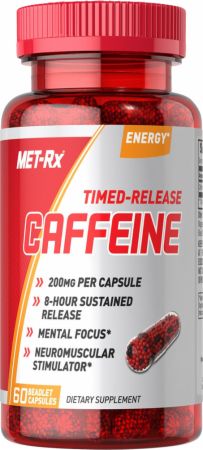
There is a difference between the caffeine in coffee or energy drinks and pure caffeine (caffeine pills). Pure caffeine is said to improve performance better than coffee. Pure caffeine also causes a greater release of fatty acids which are used as energy causing a greater loss of fat. Coffee and energy drinks have the same effect but lesser than that of pure caffeine. Try Met-Rx’s Caffeine. It has 200mg of caffeine. It is a time release capsule that promotes energy for your workout and sustained energy over an 8 hour period.
Keep in mind that there are side effects. Caffeine is a diuretic so you may feel the need to urinate more often than usual. It may cause jitters, anxiety, increase blood pressure and you may have trouble sleeping. Other side effects include headache, nausea and upset stomach.
Caffeine used in moderation is ok but should not be abused. If too much caffeine is used too often the effects of it decrease. Studies show that 300mg per day is safe. Other studies show that about 30 - 60 minutes before a high intensity workout 3 to 6 milligrams per kilogram of body weight of caffeine is recommended for optimal performance and fat burning.

Feel free to stop by the store and pick up samples of TSN Cardio Igniter, Cellucor C4 and other great products which all contain caffeine.

Have a Healthy Day,
Seth Cairns